Find Cheap Ammo Deals Without Sacrificing Quality or Reliability
Cheap ammo is simply ammunition that delivers reliable performance without the premium price tag, making it a smart choice for everyday shooting. It works by using cost-effective materials and streamlined manufacturing, so you get functional rounds that cycle smoothly in your firearm. This value lets you spend more time at the range honing your skills and less time worrying about your wallet, which is exactly why budget-friendly practice ammo is a favorite among casual shooters. To get the most from it, just pair it with routine cleaning bulk ammo for sale and choose trusted bulk brands for consistent results.
Why Budget-Friendly Rounds Are Worth Your Attention
You grab a box of budget rounds, and suddenly the range trip isn’t a math problem—it’s freedom. Cheap ammo lets you burn through a hundred rounds without flinching at the receipt, which means more trigger time for building muscle memory. The real value isn’t just saving cash; it’s that you stop hoarding every shot and start practicing the way you actually shoot—practicing reloads, failure drills, and follow-up shots that expensive brass makes you ration. Reliability is the trade-off you test once, not fear forever. Q: Are budget rounds okay for defensive use? A: No—cheap ammo is for training volume, not carry; keep quality hollow points for self-defense, but use budget rounds to burn in your fundamentals.
What Defines an Affordable Cartridge Beyond the Price Tag

A truly affordable cartridge is defined by consistency across production lots, not just its shelf price. If a budget round delivers uniform bullet weight, case length, and powder charge, it ensures predictable point-of-impact shift—saving you from wasted range time and re-zeroing. Recoil impulse matters too; a softer-shooting cheap load reduces flinch, which directly improves your follow-up shot accuracy. Your actual cost per accurate hit, not per box, is the true metric of value. Finally, inspect case wall thickness and primer seating depth—these hidden cues reveal whether savings came from efficient manufacturing or skipped quality control.
- Check for consistent crimp tension across multiple boxes.
- Verify muzzle velocity spread (ES/SD) from independent chronograph tests.
- Look for uniform extraction marks to gauge case rim durability.
- Consider reloadability—if the primer pocket stays tight, the brass extends its worth.
How Lower-Cost Loads Perform in Real-World Shooting Scenarios
In real-world shooting, lower-cost loads often deliver reliable performance for high-volume drills, though 7.5×55 Swiss Ammo for Sale accuracy may open by one to two inches at 25 yards compared to premium match ammo. Functionally, budget rounds cycle slide actions consistently in pistols and rifles, feeding reliably across various magazine types. Recoil impulse feels comparable, allowing realistic training for flinch control and follow-up shots. Muzzle velocity typically runs slightly slower, which shifts bullet drop at distances beyond 50 yards—noticeable only when zeroing for precise long-range work. For defensive practice, expansion may be less consistent, but paper targets and steel plates react identically. Brass-cased budget loads extract smoothly, while steel-cased variants occasionally leave sticky residue, requiring more frequent cleaning. Overall, these rounds handle practical shooting tasks like speed draws, transitions, and rapid target engagement without malfunctions.
| Aspect | Budget Load Performance |
|---|---|
| Accuracy at 25 yards | 2–4 inch groups (vs. 1–2 inch premium) |
| Feeding/reliability | Consistent in most semi-autos |
| Recoil & follow-up | Equivalent to standard practice ammo |
| Long-range drop (50+ yds) | Slightly more drop due to lower velocity |
| Cleaning residue | Steel cases may leave more fouling |
Key Trade-Offs Between Price, Accuracy, and Reliability You Should Know
Understanding key trade-offs between price, accuracy, and reliability starts with recognizing that budget rounds often use wider tolerances in bullet weight and case dimensions. This can produce slightly larger shot groups at 100 yards, especially with factory loads, but the difference is negligible for plinking or defensive practice under 25 yards. Reliability suffers when primer pockets are crimped inconsistently, leading to occasional light strikes, while accuracy degrades from inconsistent powder charges. Cheaper ammunition also tends to use bi-metal jackets, which can accelerate barrel wear and reduce precision over time, but their lower cost permits more frequent .223 Ammo for Sale trigger time. Ultimately, you sacrifice one tenth of an inch of accuracy and one failure per hundred rounds to save fifty percent per box—an acceptable exchange for volume training.
How to Pick the Right Value-Priced Option for Your Firearm
Selecting value-priced ammunition for your firearm hinges on **purpose-driven matching**, not just shelf price. For range practice, **cheap ammo** like steel-cased or aluminum-cased loads is acceptable, but first verify your firearm’s manual—many pistols require the pressure curve of brass cases to cycle reliably. Check the projectile weight against your barrel’s twist rate; a 1:7 twist may keyhole light 55-grain rounds, so stick to the heaviest grain weight your rifle stabilizes accurately for 7.62 Tokarev Ammo for Sale reliable zero consistency. Also, inspect the primer and sealant; if cheap ammo shows wet or corroded cases, avoid it. Finally, buy a single box to test for function and accuracy before bulk purchasing—saving money is pointless if you train with rounds that jam or drift off target. Prioritize consistency over cost per round.
Matching Inexpensive Ammunition to Your Gun’s Caliber and Purpose
Matching inexpensive ammunition to your gun’s caliber and purpose starts with verifying the exact cartridge stamped on the barrel—never assume a .380 will fit a 9mm. For **budget-friendly caliber selection**, prioritize plinking loads (like 115-grain FMJ in 9mm) when training, but switch to a heavier, jacketed hollow-point for defensive carry, even if it costs a bit more. Cheap training ammo that underperforms in your specific barrel twist or action type can still cause failures, so test a box before bulk-buying. Match velocity to your firearm’s recoil spring stiffness, and avoid +P loads in older guns.
- Confirm your caliber via the slide, frame, or manual before purchasing.
- Use round-nose full metal jackets for range practice; reserve expanding rounds for self-defense.
- Check your barrel’s twist rate—faster twists may stabilize lighter bullets better.
- For revolvers, match bullet weight to your cylinder’s gap to prevent shaving.
Evaluating Bullet Types: Full Metal Jacket vs. Alternative Budget Profiles
When evaluating bullet types for budget shooting, full metal jacket (FMJ) rounds remain the baseline for range work due to their low cost and reliable feeding. However, alternative budget profiles—such as flat-nose lead, frangible, or steel-cased hollow points—demand a cost-per-round versus performance trade-off. For example, a soft-point bullet may cost 15% more than FMJ but offers better expansion for defensive practice, while frangible options reduce ricochet risk on steel targets. Compare your primary use: FMJ excels at volume training, whereas alternatives suit specific drills. A balanced approach: stock FMJ for general practice, but allocate 10% of your budget to an alternative profile to test function and accuracy before committing.
| Aspect | FMJ | Alternative Budget Profiles |
|---|---|---|
| Cost per round | Lowest | Moderate (10–20% higher) |
| Primary use | High-volume range sessions | Self-defense practice or specialized drills |
| Muzzle energy | Consistent but no expansion | Varies; some expand or fragment |
| Feeding reliability | Excellent | Usually good, but test in your firearm |
| Wear on barrel | Minimal | Potential lead fouling if exposed lead |
Understanding Brass, Steel, and Aluminum Casings for Maximum Savings
Understanding brass, steel, and aluminum casings for maximum savings starts with knowing what you’re shooting. Brass is reloadable and reliable, but it’s priciest—you’re paying for consistency, not waste. Steel is the budget king, often 20–30% cheaper; it gets dirty faster and may wear extractors, but for range blasting, it’s a no-brainer. Aluminum sits in between—light and cheap, but not reloadable and prone to stuck cases in tight chambers. To maximize savings without frustration, follow this sequence:
- Test one box of each casing in your firearm to check ejection issues.
- Compare cost per round locally—steel usually wins on bulk.
- Reserve brass for your defensive ammo, not practice.
That way, you get maximum savings on casings while 6mm ARC Ammo for Sale keeping your gun running smooth.
Practical Ways to Stretch Your Shooting Budget Further
To stretch your shooting budget with cheap ammo, prioritize bulk purchases of steel-cased or aluminum-cased rounds for range practice, as they often cost 20–30% less than brass. Buy during seasonal sales or from online retailers that offer free shipping thresholds, and split orders with friends to reach those discounts. Reserve your premium brass ammunition for zeroing and defensive drills, while burning through budget rounds for repetitive trigger work. Reloading your own cheap ammo from once-fired brass and cast lead bullets cuts per-round cost dramatically, but start with a single-stage press and measured powder throws to avoid waste.
Shoot more by focusing on dry-fire practice between sessions—you save primer and powder entirely without sacrificing skill building.
Skip overpriced “match” variants of cheap ammo and instead test a single box from multiple budget brands, then buy 500–1,000 rounds of the one that groups best in your firearm.
Buying in Bulk: How Case Quantities Lower Your Per-Round Cost
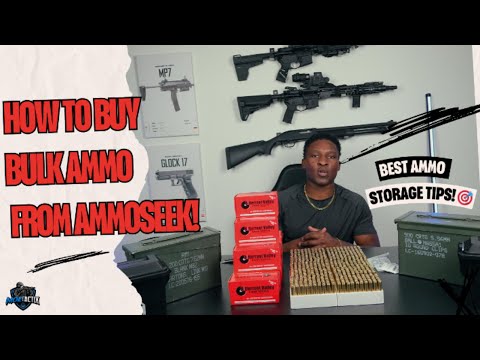
Case-quantity purchases, commonly 500 or 1,000 rounds, drop your per-round cost because distributors price larger lots at a steeper margin cut than boxes of 20 or 50. This bulk ammo pricing often saves 10–20% off shelf prices, directly reducing your cost per trigger pull. Buying a full case also minimizes shipping fees, as you pay one flat 6mm Creedmoor Ammo for Sale rate for 1,000 rounds instead of four separate shipments. To apply this: compare the per-round price of a case against five boxes of 200; calculate your monthly consumption before committing; and split a case with a shooting partner if storage is tight.
- Case lots eliminate per-box handling fees.
- One 9x23mm Winchester Ammo for Sale shipping charge covers the entire quantity.
- Lock in a fixed price for future practice sessions.
- Bulk orders reduce frequency of price checks.

Spotting Reliable Deals Without Sacrificing Function or Safety
To spot reliable deals without sacrificing function or safety, verify that discounted ammunition retains factory-new primer sealants and consistent case dimensions, as dented or corroded brass signals handling damage that can cause extraction failures. Cross-reference the lot number against online forums for reported pressure signs or squib loads before bulk purchase. Prioritize sellers who disclose lot-specific chronograph data, since consistent velocity spreads under 30 fps indicate stable powder charges. Reliable deal verification means rejecting any price below 70% of the regional average for the same grain weight, as extreme discounts often indicate overruns or remanufactured rounds lacking QA inspection. When testing a new budget brand, buy one box first, run five rounds through a bore light check for jacket fouling, then commit to case quantities only if extraction is clean and primers show no cratering.
Rotating Your Stockpile to Maintain Consistent Performance
Buying in bulk saves money, but a static stockpile degrades accuracy and reliability. Rotate your ammunition using a strict first-in, first-out system, pulling .243 Ammo for Sale from the oldest boxes for every range session. This prevents powder breakdown and primer deterioration, which cause inconsistent velocities and frustrating fliers. Store new purchases at the back of your safe, and always resist the urge to grab the freshest ammo for practice. By consistently cycling through your inventory, you ensure every cheap round performs like the day you bought it. This habit also reveals defective lots early, letting you adjust your shooting before a match or hunt. Rotating your stockpile is the cheapest insurance for dependable performance.
Rotate oldest ammo to the range first, store new stock behind it, and test every lot promptly to keep cheap rounds shooting true.
Getting the Most Accuracy and Function From Economical Loads
To squeeze real accuracy from cheap ammo, start by sorting cartridges by headstamp—mixed lots often group terribly, while consistent batches tighten up noticeably. Test several box weights to find what your barrel likes; many budget rounds shoot best when you dial your optic in for their specific velocity, not the box’s advertised number. Function issues usually come from weak primers or rough feeding, so run a wet/dry lube cycle and check your extractor tension—sometimes a $5 spring swap turns a jam-o-matic into a reliable trainer. Chronographing your cheap lot tells you more than target holes alone, since erratic speeds explain flyers you’d otherwise blame on yourself. For most pistols, a lighter recoil spring helps cycle underpowered budget loads reliably. Q: Why does my cheap ammo keyhole? A: It’s likely undersized bullets or a slow twist barrel—test 115 vs 124 grain to find the stable option.

Zeroing Your Sights With Budget Rounds for Predictable Results
When you’re working with budget rounds, zeroing your sights with budget rounds means accepting that your point of impact might shift a hair compared to pricier match ammo—so stick with one box, shoot a tight group at 25 yards, and adjust from that average instead of chasing every flier. Cheap loads often have slightly inconsistent velocity, so fire a five-shot string and let the cluster, not the outliers, guide your clicks. Once that zero locks in, your economical stash becomes predictable at typical hunting or plinking distances, saving you cash without sacrificing confidence in your holds.
Cleaning and Maintenance Tips to Handle Dirtier, Cost-Effective Powder
Cheap ammo often burns dirtier, so staying on top of cleaning keeps your gun running smooth. Prioritize bolt face and chamber scrubbing since that’s where powder fouling builds up fastest. Use a wet solvent, let it soak for five minutes, then run a bronze brush—dry carbon needs patience, not force. Wipe rails and extractor hooks with a cloth; these grit magnets cause failures otherwise. For stubborn residue, a bore snake followed by a patch with a light oil works wonders. Also,
- clean every 100–150 rounds, not just after range day
- lube sparingly—too much oil attracts more powder dust
- check gas ports on pistols to prevent clogging
A quick post-shoot wipe-down beats a deep scrub later.
When to Reserve Premium Ammo and When Cheap Loads Shine
Reserve premium ammo for zeroing .22-250 Ammo for Sale optics, validating a defensive load, or shooting beyond 100 yards where consistency dictates impact. Cheap loads shine for high-volume practice, malfunction drills, and close-range speed work, where group size matters less than trigger time and recoil management. If a cheap round cycles reliably and holds a fist-sized group at 25 yards, it is perfect for honing fundamentals. *Premium ammunition reveals its value only when you need single-digit extreme spreads, such as confirming a hunting zero before a trip.* For plinking steel or burning through a case at the range, budget cartridges prevent financial fatigue while building muscle memory. The logical split: cheap for repetition, premium for certification.
Common Concerns About Saving Money on Cartridges, Answered
The first time I grabbed a box of cheap ammo, I worried it would jam my rifle or keyhole downrange—but the truth is, most budget cartridges today use reliable brass and consistent powder, so the main difference is accuracy, not function. A common fear is that saving money means risking your firearm, yet modern cheap ammo is barely less reliable than premium brands for plinking or training. Another concern is that it’ll foul your barrel faster, but a quick bore brush after a range day handles copper and carbon just fine, and the savings add up to more trigger time. What you actually lose is tight grouping beyond 50 yards, which rarely matters for casual practice. So don’t let sticker-shock paranoia keep you from stocking up—spend the difference on a better holster or extra mags instead of chasing brand-name hype.
Is It Safe to Shoot Discounted Ammunition in Your Firearm?
Shooting discounted ammunition is safe *if* it is new-production, factory-loaded ammo from a reputable brand, sold at a reduced price due to bulk purchasing or seasonal sales. The core risk factor is not the discount itself but the source. Clearance prices on overruns or older lots can be perfectly reliable, as long as the primer, powder, and bullet integrity are intact. Conversely, suspiciously low prices on remanufactured or unknown-offset rounds may indicate .260 Remington Ammo for Sale inconsistent pressure or weak case walls. Inspect each cartridge for dents, loose projectiles, or corroded primers before loading; a deformed case is a hazard regardless of cost. You can safely save money when the discount reflects volume, not a lapse in quality control.
- Verify the headstamp and avoid “pull-down” or reboxed mystery ammo.
- Check for case bulges, split necks, or deeply seated bullets that indicate improper handling.
- Fire a test group in a sturdy rifle or pistol before relying on a bulk lot.
- Discard any round that fails a light tap test on the primer for ignition sensitivity.
Why Some Inexpensive Rounds Have More Recoil and How to Manage It
Inexpensive rounds often generate more recoil because budget-conscious manufacturers may load powders with inconsistent burn rates or use lighter bullet weights that increase velocity and, consequently, felt kick. Cheaper brass can also expand more under pressure, forcing the slide or bolt to cycle harder, which transfers sharper impulse to your shoulder or hand. To manage this, check your firearm’s manual for acceptable pressure specs and consider adding a recoil pad or a heavier spring if your platform allows. Slowing your cadence and reinforcing your grip stance absorbs the extra energy. **Managing recoil from budget ammunition** reduces flinch and preserves accuracy, so practice controlled breathing and follow-through rather than fighting the gun’s motion.
Q: Why do some inexpensive rounds recoil more than premium loads?
A: They often use faster-burning propellant or inconsistent powder charges that spike pressure quickly, plus softer primers or lighter projectiles that alter timing. This creates a sharper, snappier push rather than a smooth shove.
What to Do If You Experience Misfires or Feed Issues With Low-Cost Brands
When a budget round fails to ignite or chamber, stop shooting immediately and keep the muzzle pointed downrange for thirty seconds, as hang-fires are common with low-cost primers. Eject the dud, inspect it for a light primer strike, and clear the firearm before testing another magazine. For feed issues, first clean and lightly lubricate the rails, since cheap ammo often has waxy residue that causes sluggish cycling. If problems persist, try a different load from the same brand—some lots run flawlessly while others choke. Alternatively, switch to a higher-grain projectile, which often feeds better in finicky actions. Always record which box and lot caused failures, then contact the manufacturer for a refund. Ultimately, understanding these cheap ammo troubleshooting steps keeps your range session productive without wasting costly rounds on a faulty batch.